
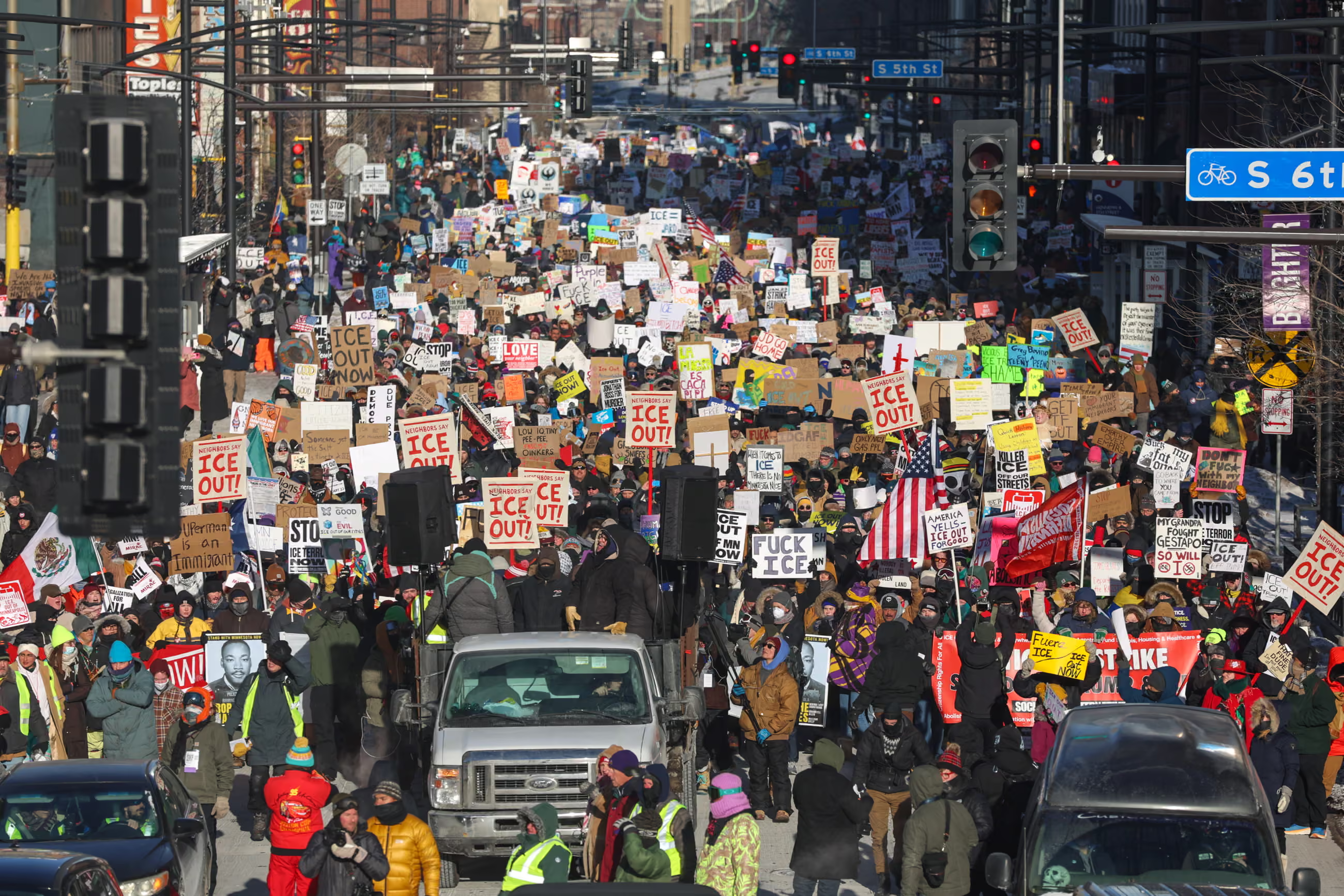
Asociación Nacional de Periodistas Hispanos (NAHJ) emite recomendaciones para reporteros a fin de evitar lesiones y muerte…
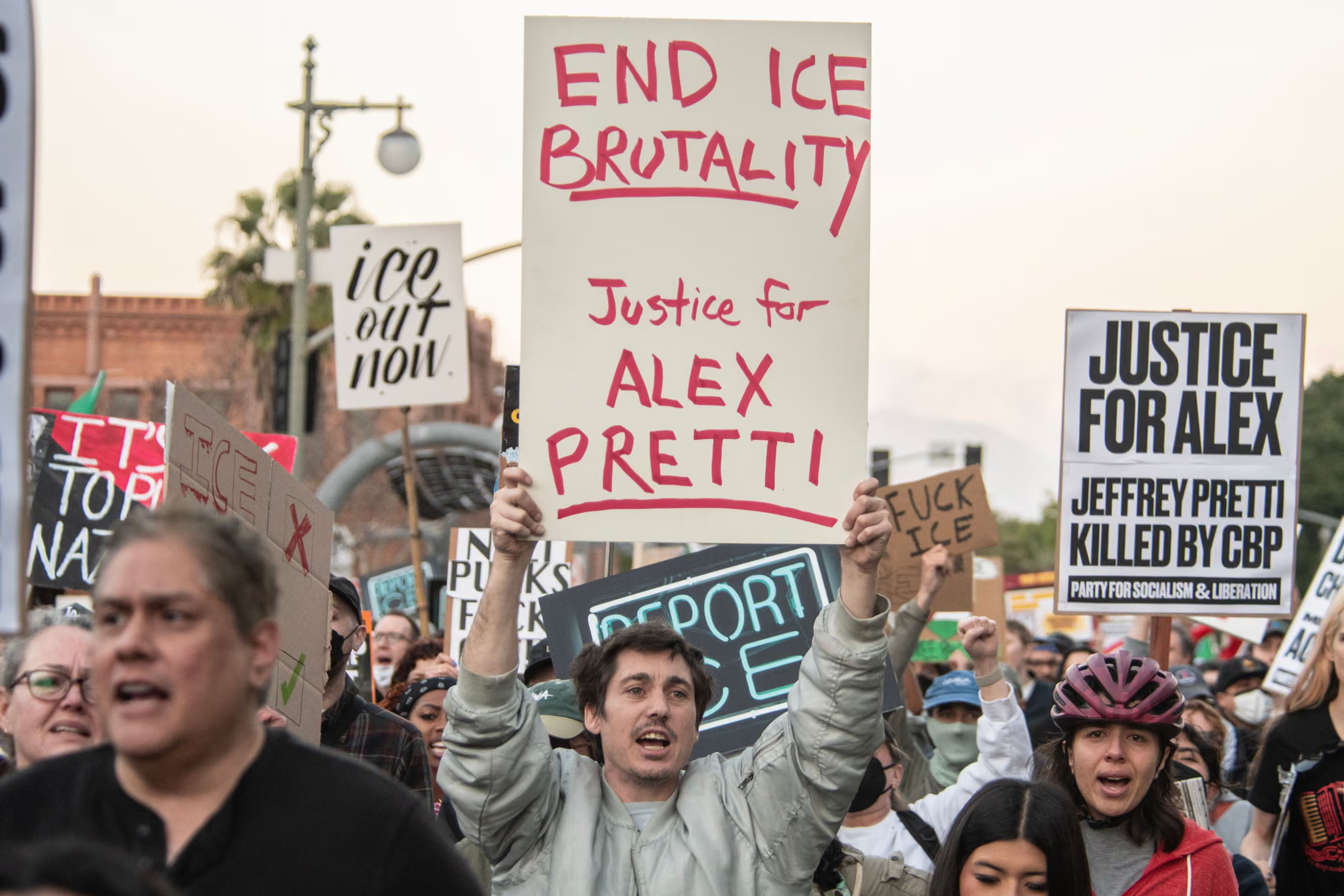
- Cascos — Ya sean cascos de obra, de bicicleta o de patineta, son importantes para proteger la cabeza de proyectiles.
- Gafas protectoras — Protegen los ojos contra el gas CS, el gas pimienta y peligros similares.
- Máscaras antigás — Deben probarse previamente para asegurar un ajuste adecuado y efectividad en condiciones peligrosas.
- Botiquín de primeros auxilios — Debe incluir vendas de varios tamaños y toallitas antisépticas para tratar heridas en el lugar.
- Chaleco antibalas de Kevlar — Reduce el impacto de balas de goma y bolas de pimienta; se puede usar debajo de una chaqueta ligera.
- Esté atento al equipo policial — Especialmente a las máscaras antigás, que pueden indicar un despliegue inminente de gases.
- Evite quedar atrapado entre la policía y los manifestantes — Para no quedar en la línea de fuego.
- Tenga cuidado al filmar o fotografiar actividades ilegales — Hágalo rápidamente y aléjese para mayor seguridad.
- Conozca las rutas de salida — Mantenga siempre conciencia de cómo evitar quedar atrapado por formaciones policiales o de manifestantes.
- Use un enfoque de evaluación de amenazas — Extreme precauciones en grupos y muévase hacia un lugar seguro si es necesario.
SOLIDARIDAD CON PERIODISTAS AGREDIDOS DURANTE MANIFESTACIONES
|
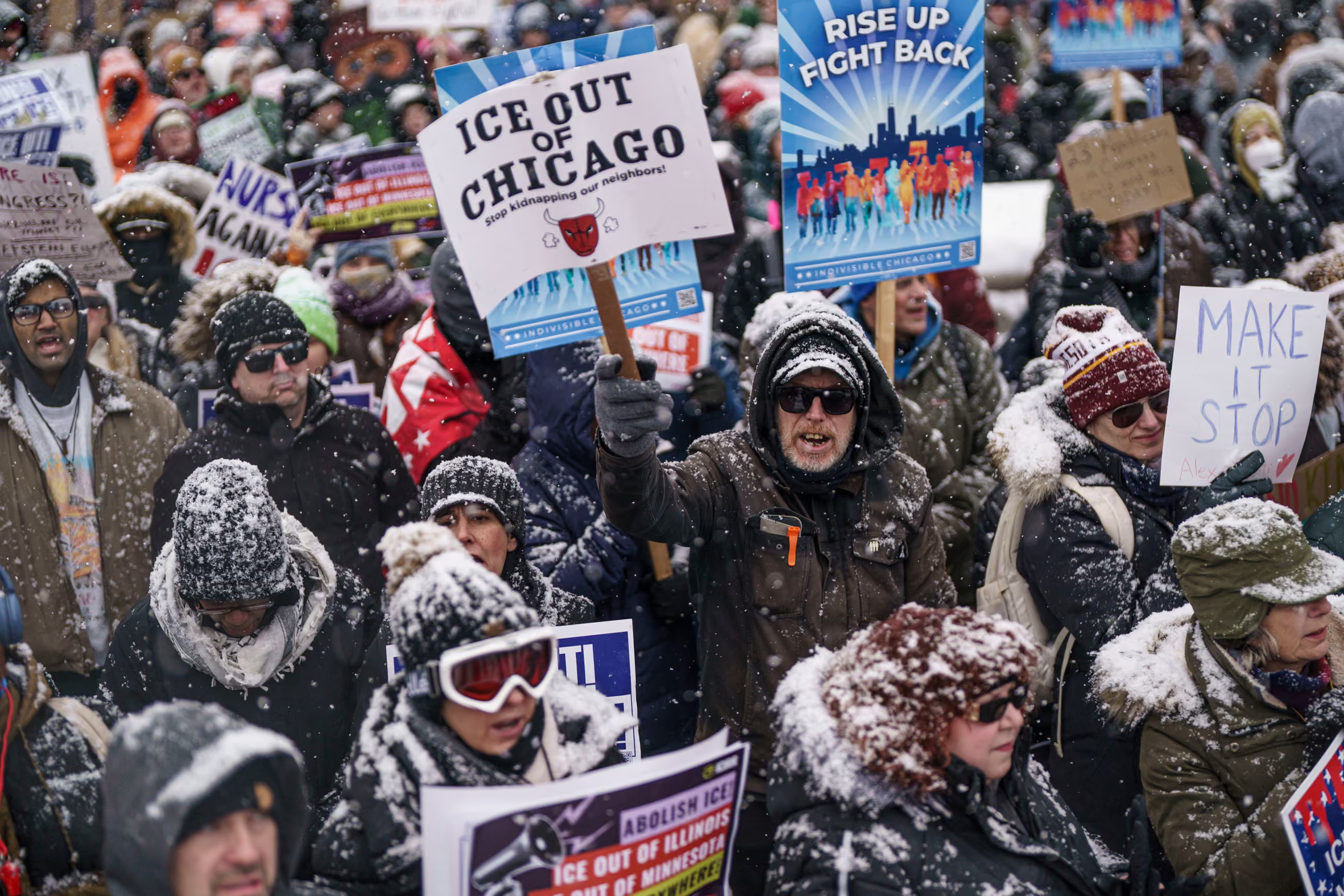
NUEVA JERSEY, JAN 31 – The National Association of Hispanic Journalists (NAHJ) stands with journalists who have been physically and verbally attacked by federal immigration agents and law enforcement while providing essential coverage in and near Minneapolis, Chicago, Los Angeles, New Orleans, San Antonio and other U.S. cities.
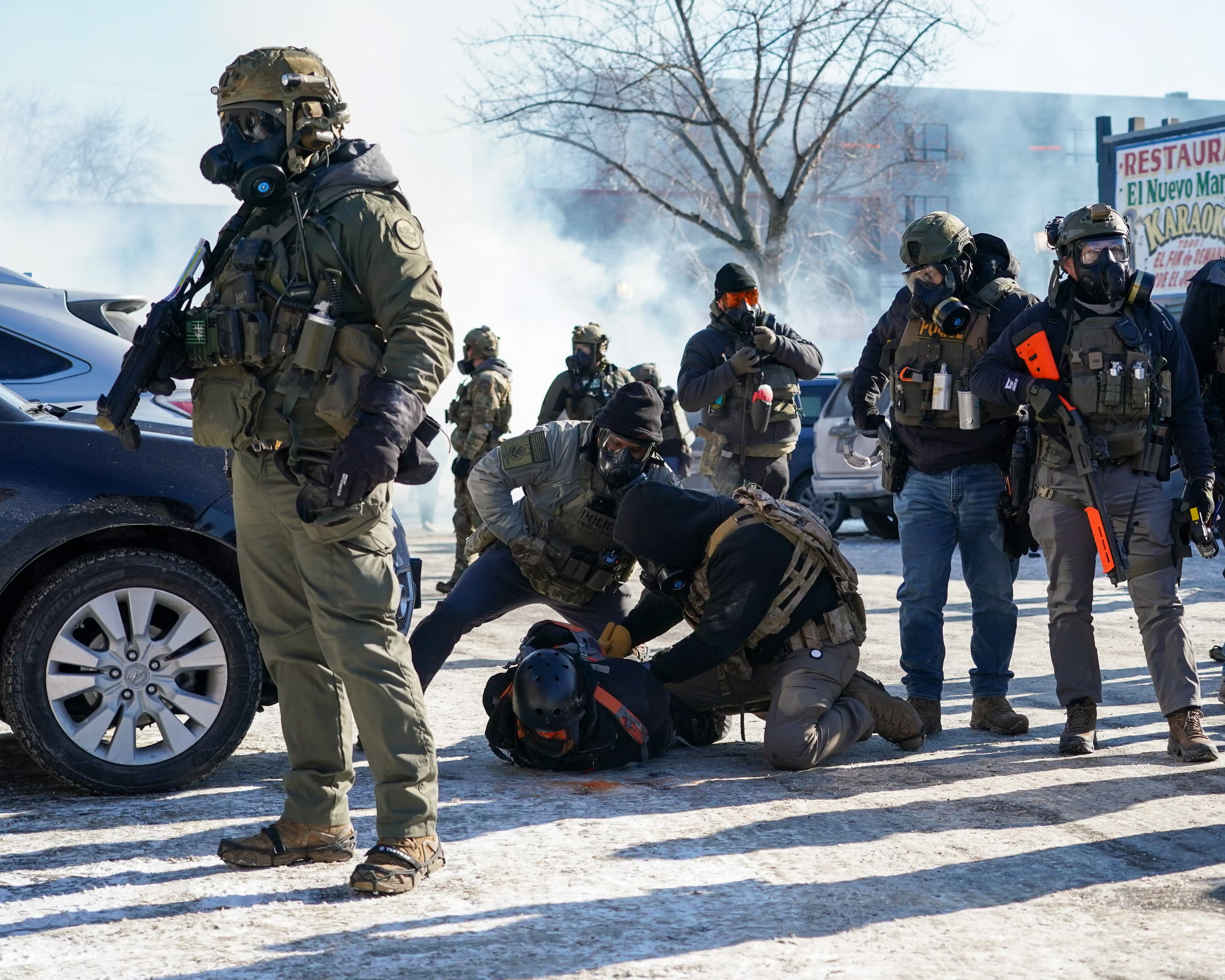
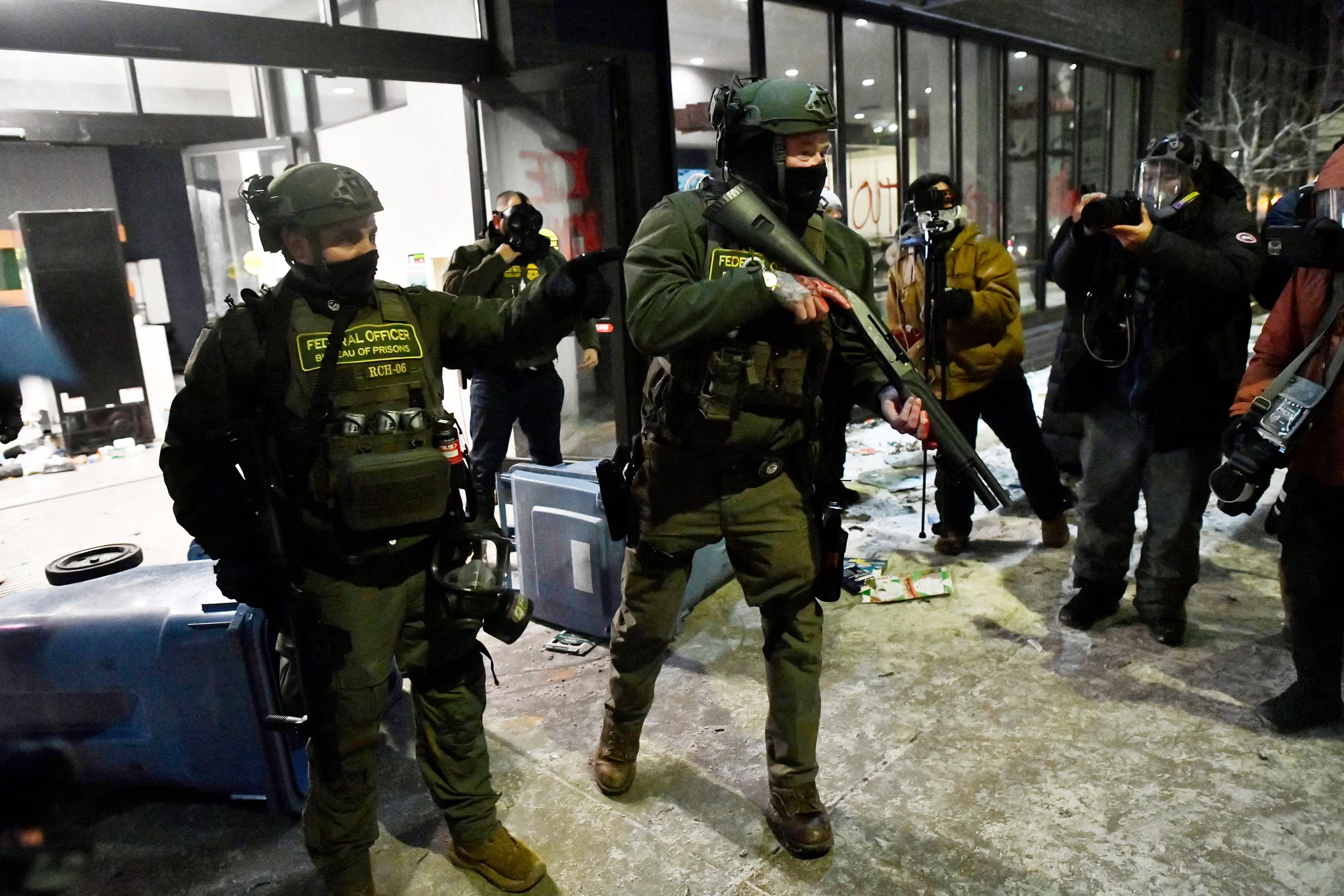
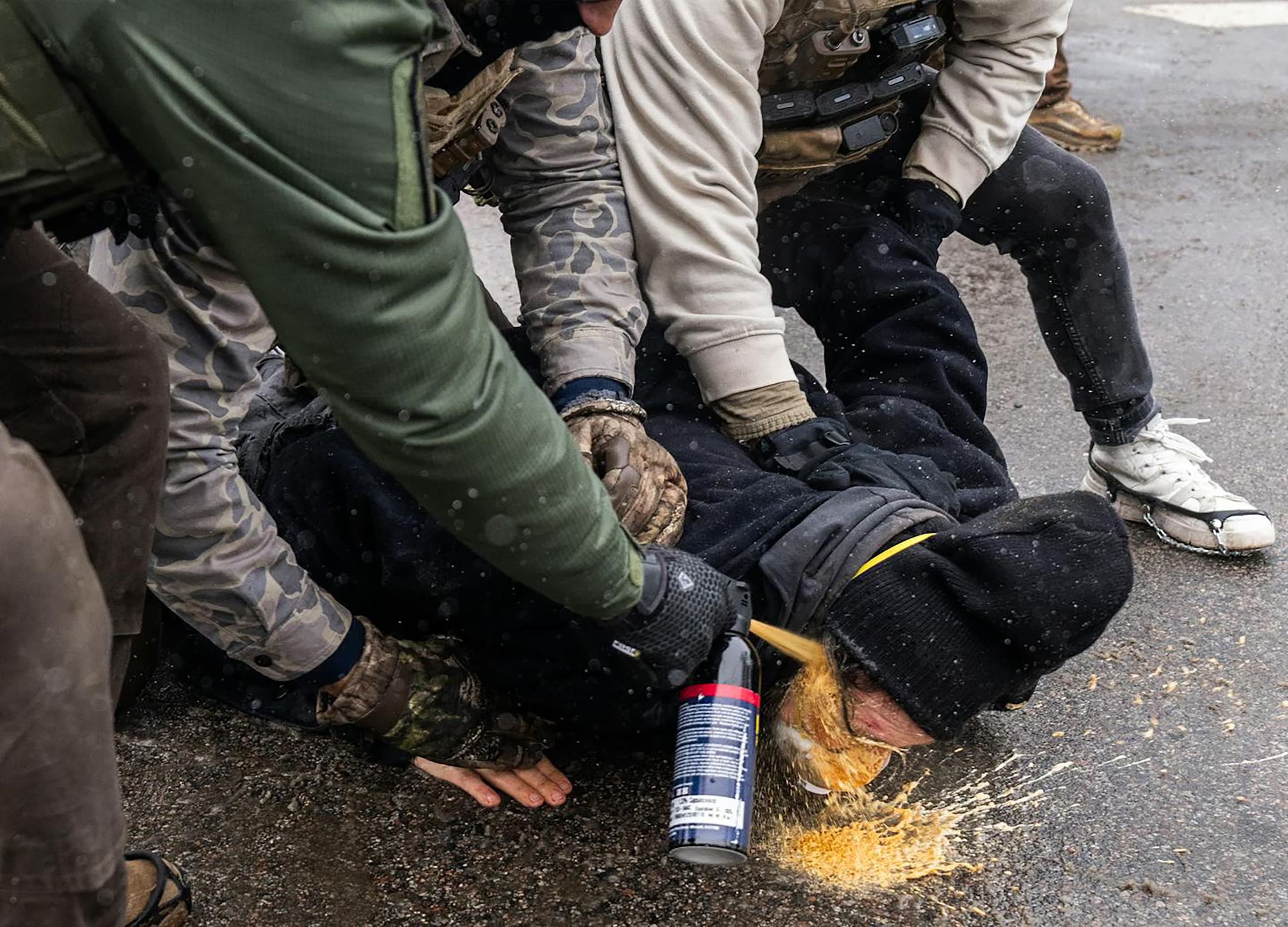
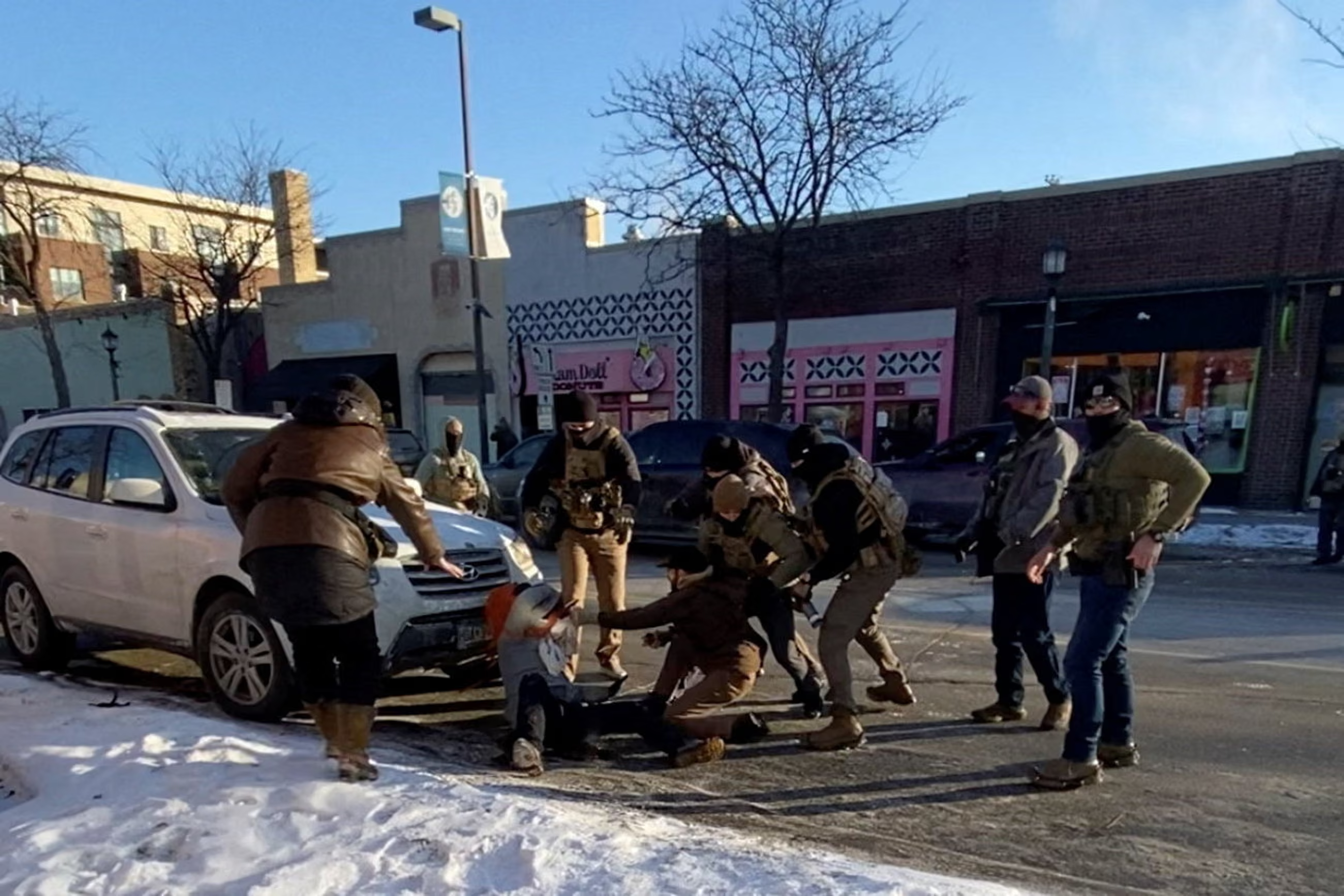
NAHJ and other journalism organizations implore all law enforcement officers and the courts to respect journalists’ First Amendment rights and allow them to do their work without interference, physical abuse, threats or intimidation. On Jan. 25, federal immigration agents in Minnesota indiscriminately deployed pepper spray, hitting reporters, including independent journalist and NAHJ member Nick Valencia, even after he identified himself as a member of the news media.
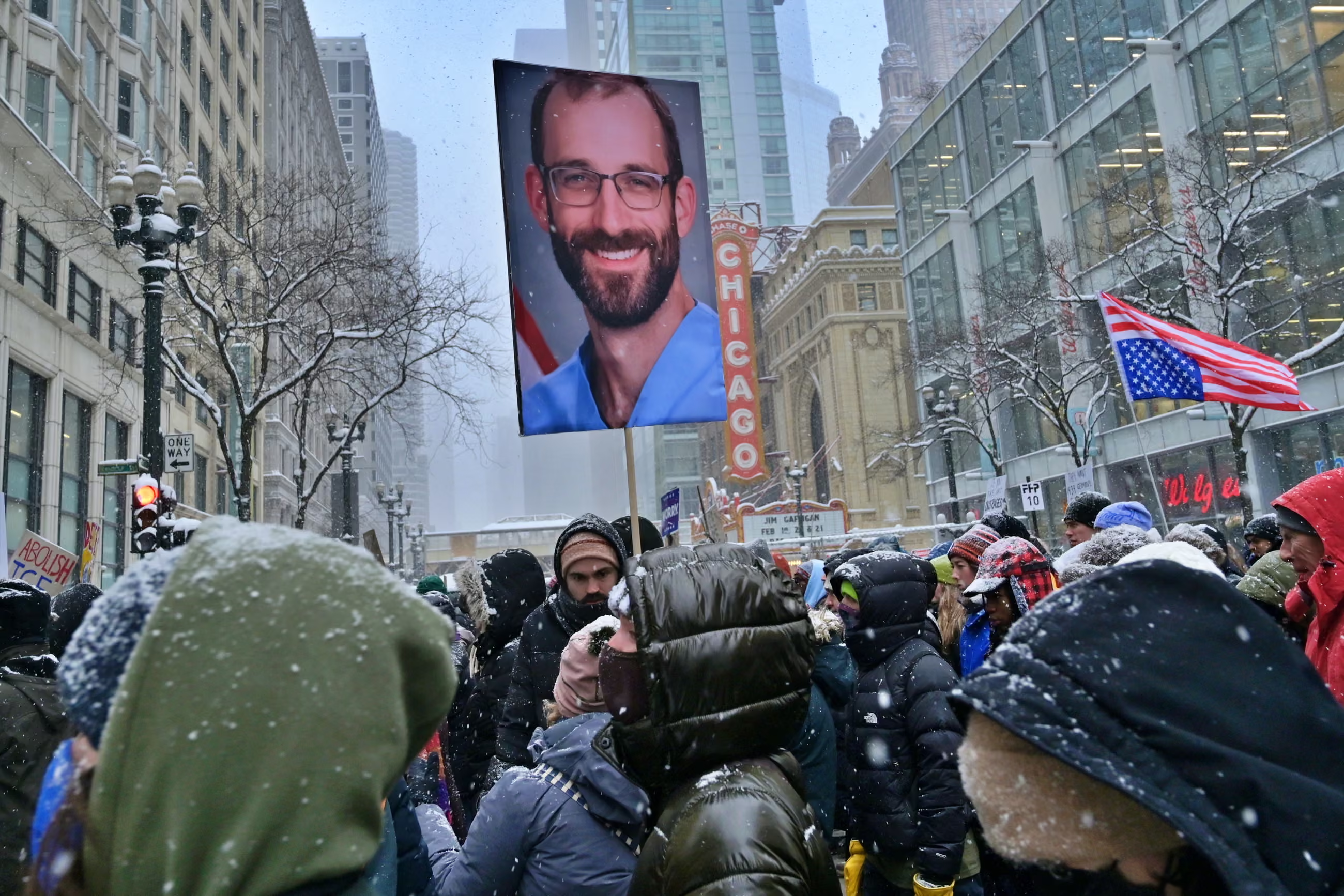
Videos shared on social media show Valencia and other journalists covering the aftermath of Alex Pretti’s killing on Saturday being subjected to chemical irritants and physical force by federal immigration agents. The incident is consistent with the experience of other journalists covering immigration raids and related demonstrations who say they have faced similar treatment.
Chicago Sun-Times photographer and NAHJ member Anthony Vazquez was among reporters and photographers whom federal immigration agents hit with tear gas and other chemical irritants while covering demonstrations last fall in Chicago. On Jan. 28 outside the Dilley ICE detention facility, about an hour from San Antonio, Texas, state troopers deployed chemical irritants during a protest near the facility, hitting journalists with the spray.
Journalism is protected under the U.S. Constitution. Law enforcement officers must respect the vital role journalists play in providing the public with timely, accurate information, particularly during tense and fast-moving situations that have involved serious injuries and fatalities. The right of journalists to report from volatile and unfolding situations without risk to their health or safety is fundamental. When these rights are violated, we will not remain silent.
Indiscriminate use of chemical irritants, tear gas, rubber bullets and other less-lethal projectiles poses threats to the public, including journalists doing their jobs. Courts have previously recognized these rights. In Chicago Headline Club v. Noem, legal action secured an injunction against such abuses, and journalists have said they would pursue further legal remedies if agents continue to target members of the news media.
As NAHJ stands with our members doing this critical work, we share again our safety resources developed for journalists working in high-risk law enforcement environments. Click here for the safety guide for protest coverage and to watch a video. You can also download the attached for a version of the guide you can share peer-to-peer on your phones.
Journalists who encounter abuse or intimidation while working in the field can access help from the Committee to Protect Journalists at emergencies@cpj.org. As immigration enforcement actions and public demonstrations intensify across the country, law enforcement agencies and the courts must ensure that journalists can work safely and without interference. The rights and safety of all journalists is more than an ideal for NAHJ and all organizations signing this letter. It is a founding principle and core to our mission. This is a commitment from which we will not step back, a commitment upon which we will act. NAHJ will continue to support journalists as they persevere in their work. |
|
In Solidarity, National Association of Hispanic Journalists (NAHJ) Asian American Journalist Association (AAJA) National Association of Black Journalists (NABJ) Journalism & Women Symposium (JAWS) The Association of LGBTQ+ Journalists (NLGJA) Local Independent Online News Publishers (LION) American Press Institute (API) Society of Professional Journalists (SPJ) Public Media Journalists Association (PMJA) Investigative Reporters & Editors (IRE) Center for Excellence in Health Care Journalism (AHCJ) Radio Television Digital News Association (RTDNA) Freedom of the Press Foundation Tiny News Collective Online News Association (ONA) The Center for Journalism & Democracy National Press Club National Press Club Journalism Institute CatchLight Advancing Business Editing and Writing (SABEW) |



 Nuestra Gente Digital
Deja un comentario